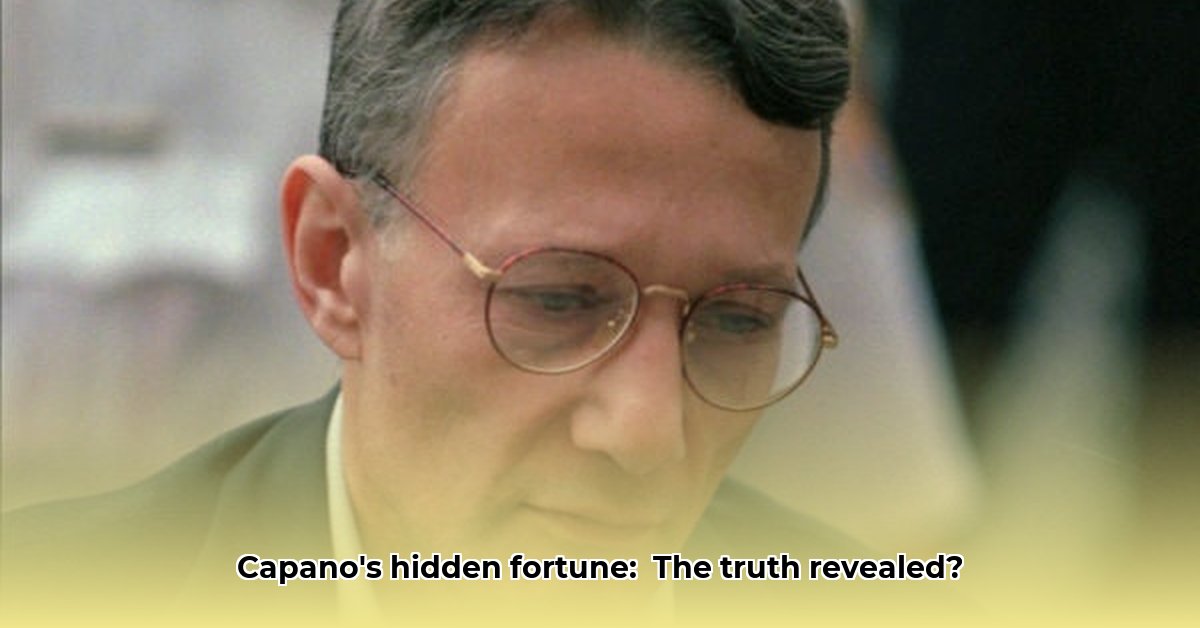
The Delaware Tragedy: A Life of Privilege and a Shocking Crime
The name Thomas Capano evokes a chilling tale – a prominent Delaware lawyer convicted of murdering Anne Marie Fahey. This case, notorious for its lack of a body and its intricate web of deceit, continues to captivate. But beyond the courtroom drama lies a less explored aspect: Capano's net worth. Understanding his finances offers crucial insight into the case, potentially revealing motives, resources used in the crime, and the subsequent financial fallout. While precise figures remain elusive due to the passage of time and privacy concerns, piecing together available information provides a clearer picture.
Exploring Capano's Financial Landscape
Capano's affluence stemmed from a successful legal career and family wealth deeply ingrained in Delaware's political and economic landscape. He enjoyed a lifestyle indicative of substantial means – a comfortable home, possibly multiple properties, and other indicators of significant financial resources. However, a precise quantification of his net worth remains a challenge. Public records from the era are incomplete, and privacy laws limit direct access to his complete financial history. Nonetheless, several factors allow for a reasonable estimation of his considerable wealth.
Professional Success and Family Wealth
His legal practice generated substantial income. His family's extensive real estate holdings and business ventures further added to his financial cushion. While the exact details may never be publicly known, experts familiar with the case speculate that his assets were substantial, possibly in the millions of dollars. Many were surprised by the seeming lack of lavish financial assets he possessed at the time of his arrest leading to further speculation about the management of his finances.
The Interplay of Wealth and the Crime
The prosecution's case hinted at a potential link between Capano's financial standing and the murder. The theory suggested that a strained relationship with Fahey, potentially causing financial repercussions for Capano, served as a motive. His resources, they argued, may have facilitated the disposal and concealment of evidence. However, it remains a matter of speculation whether the financial aspects directly caused or contributed to the crime.
Resources for Concealment
Did Capano use his financial resources to obscure his actions after Fahey's disappearance? This is one interpretation of how his wealth could have factored into the case. His access to legal expertise, private investigators, and potentially even resources to cover his tracks could have made it more difficult to uncover the truth. This circumstantial evidence, while not conclusive in itself, added another layer of complexity to the investigation.
The Aftermath and Financial Repercussions
The lengthy and costly legal battle that followed Capano's arrest undoubtedly impacted his finances. The expenses for top-tier legal counsel and the protracted court proceedings were substantial. Though specific figures are unavailable, it is reasonable to assume that the legal struggle consumed a significant portion of his assets. The resulting scandal, tarnishing his reputation, likely also affected his family's long-term financial well-being. It's worth noting that recent legal actions involving his estate further highlight the lasting impact of the case. A 2023 lawsuit, eventually dismissed, exemplifies the ongoing complexities surrounding his legacy and finances.
Conclusion: A Legacy of Mystery and Financial Intrigue
Precisely quantifying Thomas Capano's net worth remains elusive. However, examining his financial situation provides crucial context for understanding the Delaware murder case. The intersection of wealth, power, and justice remains a compelling aspect of this enduring mystery. While the exact figures may never be definitively known, the investigation into his finances underscores the role wealth can play in shaping both the commission of crimes and the processes of investigation and legal proceedings. The case serves as a reminder that even significant resources cannot always mask the truth.